
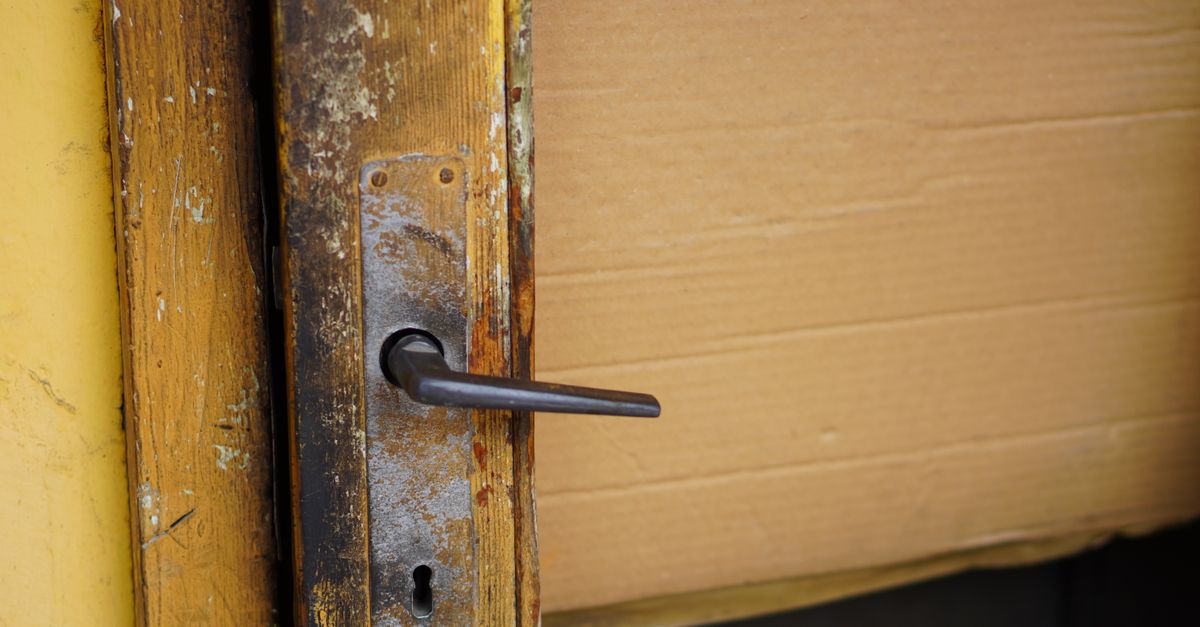
Why Mortise Locks in Older Caldwell Homes Fail — and What It Means for Your Security
Mortise lock mechanisms installed in homes built between the 1890s and 1960s were typically made from cast iron or brass internals with relatively tight tolerances. Over 50 to 100 years of thermal cycling — think Essex County's harsh winters and humid summers — those metals fatigue, corrode, and expand unevenly. The most common failure modes we see in Caldwell properties include: a sticky or gummy latch bolt caused by dried lubricant turning into a varnish-like residue inside the case; a seized cylinder where years of key wear has rounded off the driver pins; a broken cam or tailpiece that disconnects the cylinder from the bolt mechanism entirely; and a cracked or warped lock case that no longer aligns with the strike plate on the door frame. Each of these presents differently, but all of them compromise your home's first line of defense.
What makes mortise lock repair more nuanced than fixing a standard cylindrical knob lock is the sheer variety of legacy hardware still installed in Caldwell homes. Corbin Russwin mortise lock units — long manufactured in the northeastern U.S. — are especially common in older Essex County properties and municipal buildings. Baldwin mortise lock sets turn up frequently on higher-end residential doors. Each manufacturer uses different case dimensions, cam profiles, and cylinder formats, which means parts are not universally interchangeable. A trained locksmith who works regularly with legacy mortise hardware will identify the exact make and model before recommending repair versus replacement, so you're never paying to replace something that could be restored.